
Hear from Our Customers
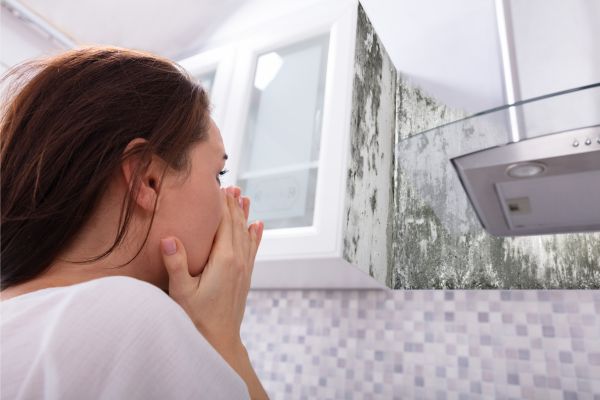
You’re not imagining it. That musty smell in the basement. The allergies that won’t quit. The dark spots spreading behind the bathroom tile.
Mold doesn’t announce itself with a sign. It hides in crawl spaces, behind drywall, under carpets, and inside HVAC systems. You can scrub what you see on the surface, but if you don’t know what species you’re dealing with or how far it’s spread, you’re guessing.
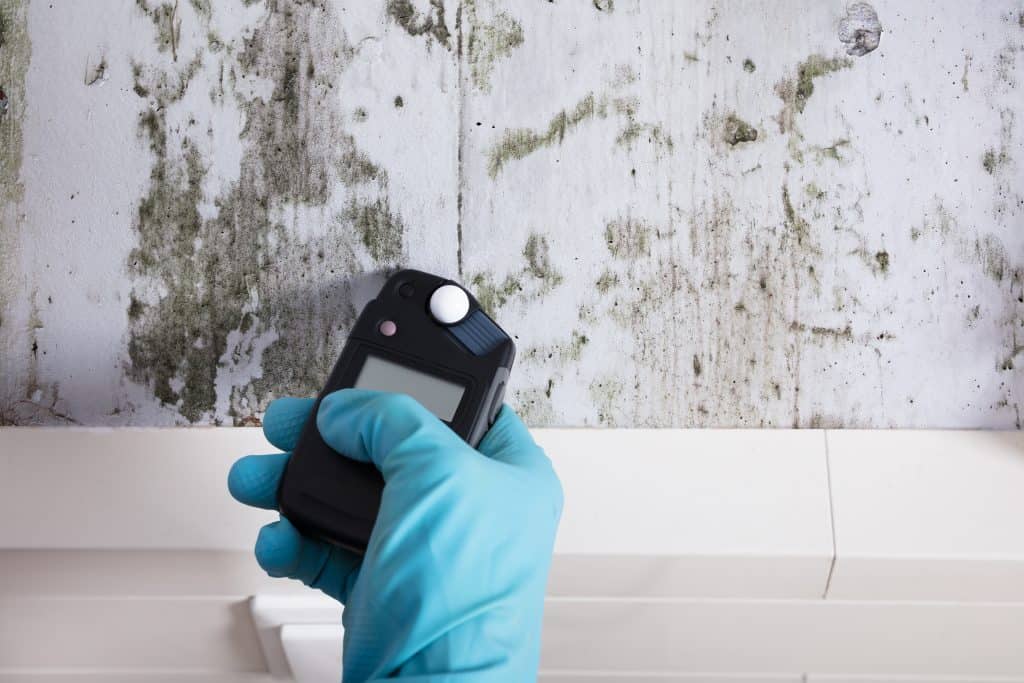
Professional mold testing tells you exactly what’s happening in your home. We use air sampling, surface testing, moisture meters, and infrared cameras to find active growth and the conditions feeding it. Then we send samples to an independent lab for species identification and spore concentration analysis. You get documentation that’s detailed enough for insurance claims, real estate transactions, or just peace of mind before your kids go back to playing in that basement.
This isn’t about scaring you into a bigger bill. It’s about knowing whether you need to act now, monitor the situation, or just fix a leaky pipe and move on.
We’ve completed over 2,000 mold inspections across Bucks County. We’re InterNACHI certified, and we follow EPA-approved testing protocols because accuracy matters when health is on the line.
Here’s what makes us different: we don’t do remediation. We only test. That means when we tell you there’s a problem, it’s not because we’re trying to sell you a $10,000 cleanup. When we tell you you’re fine, you can trust that too.
We’ve been working in Birch Valley long enough to know what these 1950s Levitt homes deal with. Enclosed garages turned into living rooms. Additions built without proper vapor barriers. Crawl spaces that flood every time Bucks County gets hit with another storm. We’ve seen it, tested it, and helped homeowners figure out what to do next without the panic or the upsell.
First, we walk through your home and talk. You tell us what you’ve noticed—smells, stains, health symptoms, water damage. We ask questions about your HVAC system, recent renovations, and any flooding or leaks you’ve dealt with.
Then we start the inspection. We use moisture meters to check walls, ceilings, and floors for hidden water. Infrared cameras help us spot temperature differences that signal trapped moisture or poor ventilation. We take air samples from multiple rooms to measure airborne spore levels, and we swab visible growth or suspicious areas for lab analysis.
Everything gets sent to an independent, certified lab. They identify the species, measure concentration levels, and compare your indoor air quality to outdoor baselines. Within a few days, you get a full report that breaks down what we found, where we found it, and what it means for your home.
We’ll walk you through the results in plain language. If remediation is needed, we’ll tell you what kind and why. If it’s minor, we’ll explain your options. And if your home is clear, you’ll have documentation proving it.
Ready to get started?
Our mold testing includes a full visual inspection, moisture mapping, air quality sampling, and surface testing where needed. We use HEPA-filtered equipment, infrared thermal imaging, and lab-grade collection methods that meet Pennsylvania Department of Health standards.
Birch Valley homes face specific challenges. The housing stock here was built for post-war affordability, not modern moisture control. Add in Bucks County’s rising precipitation levels—up 5% to 10% in recent years—and you’ve got older homes dealing with water intrusion they weren’t designed to handle. Basements flood. Gutters overflow. Sump pumps fail. All of that creates the perfect environment for mold.
We also see a lot of hidden mold in homes that have been flipped. New paint and flooring look great, but if the moisture problem underneath wasn’t fixed, mold comes back fast. That’s why buyers in this market are getting mold inspections before closing. It’s not paranoia—it’s due diligence in a neighborhood where homes sell in 8 days and nobody has time for surprises after move-in.
You’ll get a written report with lab results, photos, moisture readings, and clear recommendations. No jargon. No scare tactics. Just the information you need to make a decision.
Most residential mold testing in Bucks County runs between $300 and $600, depending on the size of your home and how many samples we need to collect. A typical three-bedroom ranch with a basement usually falls in the $400 to $500 range.
That includes the on-site inspection, air and surface sampling, lab analysis, and a full written report. If you need additional testing in specific areas—like an attic, crawl space, or detached garage—that can add to the cost, but we’ll talk through what makes sense before we start.
Some companies offer cheaper testing, but they’re also the ones trying to sell you remediation. If the test costs $200 and the cleanup estimate is $8,000, you have to wonder how unbiased that test really was. We charge a fair rate for accurate testing because we’re not making money on the back end.
DIY kits can tell you if mold is present, but they can’t tell you how much, what species, or whether it’s actually a problem. Most kits just collect spores on a petri dish or test strip, and since mold exists everywhere, you’ll almost always get a positive result. That doesn’t mean your home is contaminated.
Professional mold testing measures spore concentration in the air and compares it to outdoor levels. We also identify the species, which matters because not all mold is dangerous. Some types are cosmetic. Others, like Stachybotrys (black mold), can cause serious respiratory issues and need immediate attention.
We also use tools DIY kits don’t include—moisture meters, infrared cameras, and HEPA-filtered air sampling pumps. Those help us find hidden mold and the moisture sources feeding it, so you’re not just treating symptoms. If you’re buying a home, dealing with insurance, or have health concerns, a $30 kit isn’t going to give you the documentation or accuracy you need.
The on-site inspection usually takes one to two hours, depending on the size of your home and how many areas we’re testing. After that, samples go to the lab for analysis.
Most labs return results within three to five business days. If you’re in a time crunch—like a real estate closing that’s coming up fast—we can request expedited processing for an additional fee, which can get results back in 24 to 48 hours.
Once we have the lab report, we’ll schedule a call or meeting to walk you through the findings. We don’t just email a PDF and disappear. You’ll get a clear explanation of what the numbers mean, what species were found, and what your next steps should be. If remediation is needed, we can point you toward qualified contractors. If your home is clear, you’ll have documentation proving it.
Yes, but not by looking through the wall. We use a combination of tools to detect hidden mold without tearing your home apart.
Moisture meters tell us if there’s elevated moisture inside walls, ceilings, or floors—one of the clearest signs that mold could be growing where you can’t see it. Infrared cameras show temperature differences that indicate trapped water or poor airflow. Air sampling picks up elevated spore levels even if the source isn’t visible.
If we find strong evidence of hidden mold, we’ll recommend a more invasive inspection, like removing a small section of drywall or pulling back carpet in a specific area. But we don’t start ripping things apart without reason. The goal is to give you enough information to make an informed decision without creating unnecessary damage or cost.
In older Birch Valley homes, hidden mold is common in places like enclosed garages that were converted to living space, under original hardwood floors, and in wall cavities near old plumbing. If your home has had water damage, renovations, or chronic humidity issues, testing for hidden mold is worth it.
If you can see mold, you know you have a problem. The question is whether testing still makes sense, and in most cases, it does.
Visible mold is often just part of the issue. Testing tells you what species you’re dealing with, how widespread the contamination is, and whether airborne spore levels are elevated in other parts of your home. That information helps contractors scope the job correctly and helps you understand whether you’re looking at a small cleanup or a bigger remediation project.
Testing also gives you a baseline. After remediation is done, we can retest to confirm spore levels are back to normal. Without that, you’re trusting the contractor’s word that the job is complete, and if mold comes back, you won’t know if it’s new growth or leftover contamination.
If you’re filing an insurance claim, testing is usually required. If you’re selling your home and a buyer sees mold during their walkthrough, having a professional report shows you’ve addressed it properly. And if you’re dealing with health symptoms, testing confirms whether mold is the cause or if something else is going on.
The most common types we find in Bucks County are Cladosporium, Penicillium, Aspergillus, and Stachybotrys—also known as black mold.
Cladosporium is usually found on wood surfaces, fabrics, and in HVAC systems. It’s one of the most common indoor molds and typically causes allergic reactions rather than toxic effects. Penicillium grows on water-damaged materials like drywall, insulation, and carpets. It spreads quickly and can trigger asthma and respiratory issues.
Aspergillus is another frequent find, especially in homes with poor ventilation or high humidity. Some species produce mycotoxins that can be harmful with prolonged exposure. Stachybotrys is the one most people worry about. It’s less common but thrives on materials with high cellulose content—like drywall and wood—that stay wet for extended periods. It produces toxins that can cause serious health problems, especially in children and people with compromised immune systems.
In Birch Valley, we see a lot of mold growth tied to basement moisture, old HVAC systems, and poorly ventilated bathrooms. The age of the housing stock here means a lot of homes are dealing with outdated moisture barriers and drainage systems that weren’t built for today’s climate conditions.
Other Services we provide in Birch Valley